
Painting Services in Bel Air

A More Considered Approach to Painting in Bel Air
Fresh paint can change the way a room feels, but preparation determines how long that change lasts. Because Bel Air has architectural estates, gated residences, hillside properties, and expansive traditional homes, successful scopes begin with an individual review. The painter examines adhesion, sheen, lighting, and the demands placed on the room. The resulting plan balances appearance with durability and avoids treating unlike surfaces as though they were identical.
Plan Your Complimentary ConsultationFinishes Chosen for the Way Bel Air Spaces Are Used
A durable result may depend on resolving specialty finishes, double-height rooms, intricate details, and sensitive furnishings. Crews coordinate room access, protect what remains in place, and create a sound base for the selected coating. Color conversations may include custom neutrals, deep formal tones, and carefully calibrated whites. Seen on test patches, those choices can be adjusted for exposure, trim, flooring, and nighttime lighting.
Schedule a Project Walkthrough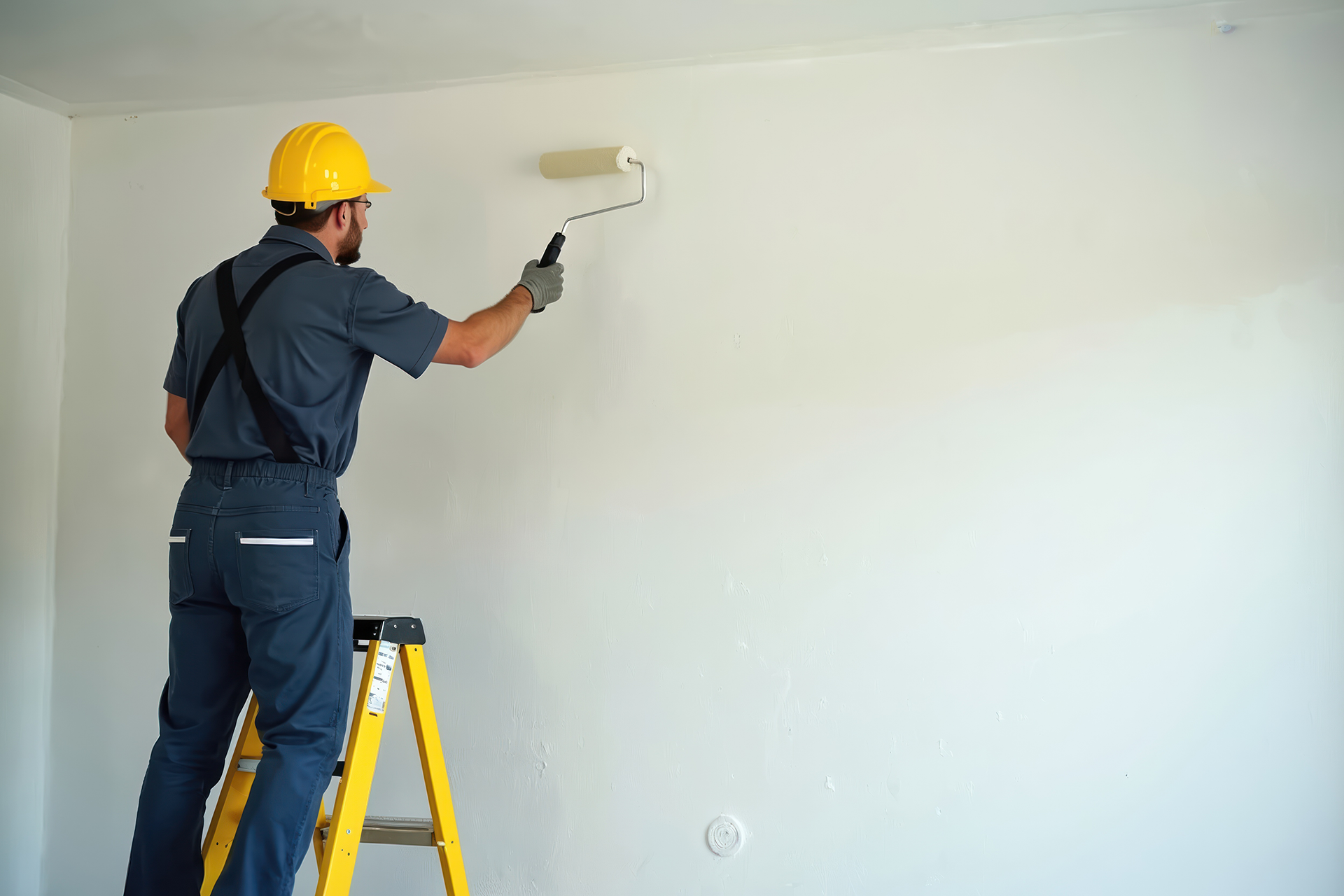
What should I expect before painting begins in Bel Air?
Expect the painter to inspect the requested areas and ask how the space will be used during the job. In Bel Air, the review may focus on specialty finishes, double-height rooms, intricate details, and sensitive furnishings. Colors, coating type, repairs, masking, and scheduling are then organized into a project-specific proposal.
Which paint colors work well in Bel Air homes?
Color direction should come from the property's light and fixed finishes. In Bel Air, requests frequently include custom neutrals, deep formal tones, and carefully calibrated whites. Larger brush-outs let clients compare depth in daylight, shadow, and evening illumination before purchasing all of the paint.
How is furniture and flooring protected during the project?
Before sanding or painting, accessible belongings are relocated and the remaining room contents are shielded. Drop materials, plastic, paper, and tape are selected according to the surface. Daily organization reduces dust and accidental contact with wet coatings.
Can painters correct wall damage before applying color?
Many cosmetic defects can be filled, sanded, or sealed before primer. Conditions involving specialty finishes, double-height rooms, intricate details, and sensitive furnishings are evaluated individually rather than hidden under extra paint. If damage suggests moisture or movement, its cause should be resolved before the finish schedule proceeds.
Do you paint commercial properties in Bel Air?
Yes. Projects may range across private offices, estate facilities, and discreet professional environments. Before work starts, the painter reviews operating hours, security, staging, odor sensitivity, and the level of wear each surface receives, then organizes the schedule around those constraints.
How do local conditions affect exterior paint planning?
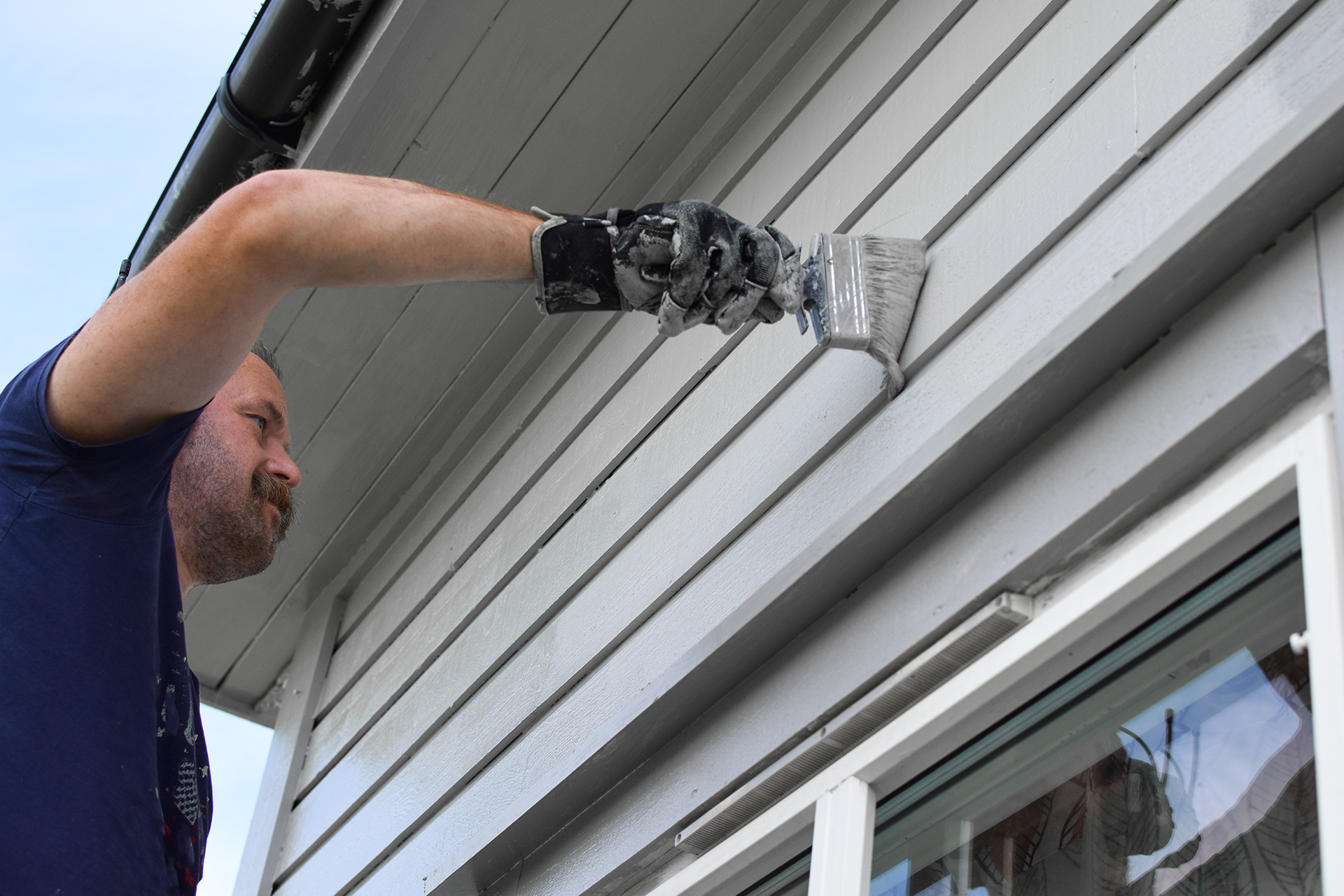
In Bel Air, crews must plan around hillside sun, canyon airflow, and varied exposure across large properties. Cleaning, drying time, adhesion testing, and sealant condition influence the start date and coating choice. Stable preparation is essential because a premium finish will not bond reliably to dirt or failing paint.
```
```